
The Elevate Journal
- Leadership
- Nonprofit Support
- Accessibility
- Community Engagement
- Equity
- Values
- Data Collection
- Research
- Learning
- Internal Culture
- Program Design
- Collective Impact
- Storytelling
- Compassion
- Operations
- Project Spotlight
- Systems Change
- Facilitation
- Impact
- Evaluation
- YPAR
- Fundraising
- Focus Groups
- Data
- Reflection
- Reporting
- Surveys
- Services
- Evalaution
- Collaboration
- Strategy
- Resources
- Stakeholders
A FLEX-ible Evaluation Approach for your Organization
FLEX Consultants are experienced evaluators on the Elevate Consulting team, with expertise across the full evaluation lifecycle (design, implementation, analysis, and reporting). Rather than delivering a single product and moving on, FLEX Consultants operate as embedded members of your team to build the systems and capacity your organization needs in order to keep learning from its own data over the long-term.
Connecting Organizational Strategy with Impact Measurement
As part of the strategic planning process, the West End Home Foundation team and board needed clear priorities for their data and evaluation that were directly linked to their core strategies. The Strategic Impact Map was the perfect tool for the job. We facilitated the staff through the process, offering our evaluation expertise and integrating their expertise in the work at each step.

Why Building a Collaborative Culture Within Your Organization Matters
Collaboration is hard. It's time-consuming. Some days it would genuinely be easier to just make the call on your own and move on. But the organizations that have figured out how to build real collaborative cultures from the inside out — the ones where people trust each other, know each other's strengths, and feel safe enough to contribute fully — those are the organizations that can take on the hard stuff. And in this work, there's no shortage of hard stuff.
Youth-Led Research in Action
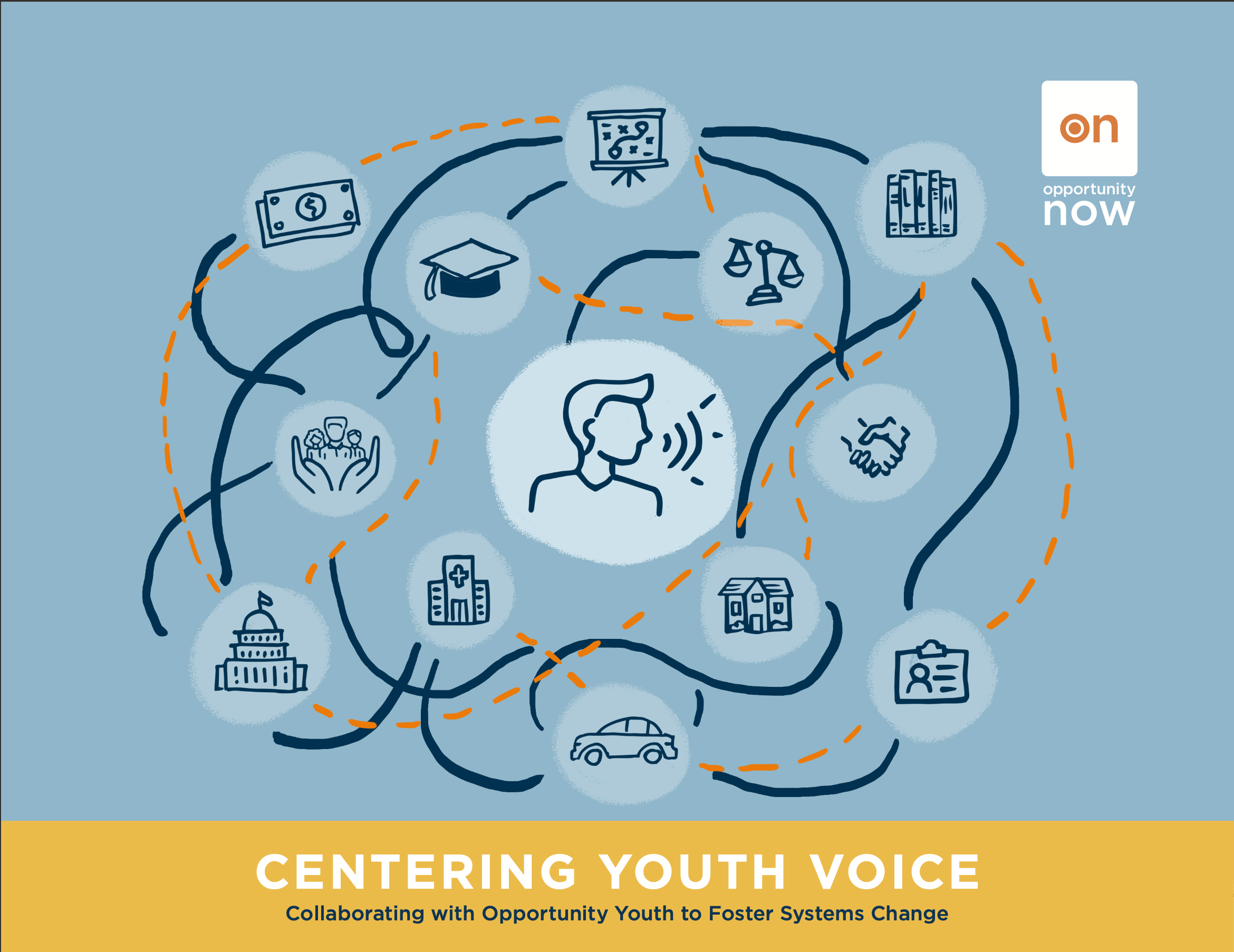
In the summer of 2018, the Nashville Opportunity Youth Collaborative (OYC) partnered with Elevate to engage young people directly in the research process. Using a youth participatory action research (YPAR) approach, members of the OYC’s Youth Leadership Team helped design and carry out the project from start to finish. The findings from this process informed the overall strategic direction of the OYC’s work.
Moving from Subjects to Partners: Why Participatory Research Methods Matter
Moving from “studying people” to “studying with people” can be a game-changer for enhancing the quality and relevance of your data.
In traditional evaluation, the researcher is often seen as the “expert” — the specialist looking through a glass at a program’s participants. Participatory Research Methods (PRMs) flip that script: Instead of treating people as passive data points, PRMs involve stakeholders — the very people affected by a program — as active partners in the research process.
Leveraging Literature Review to Assess Program Impact
As a nonprofit service organization, your mission likely prioritizes hands-on stakeholder engagement and resource dissemination. Understandably, this leaves little time for conducting in-depth, long-term-impact analyses.
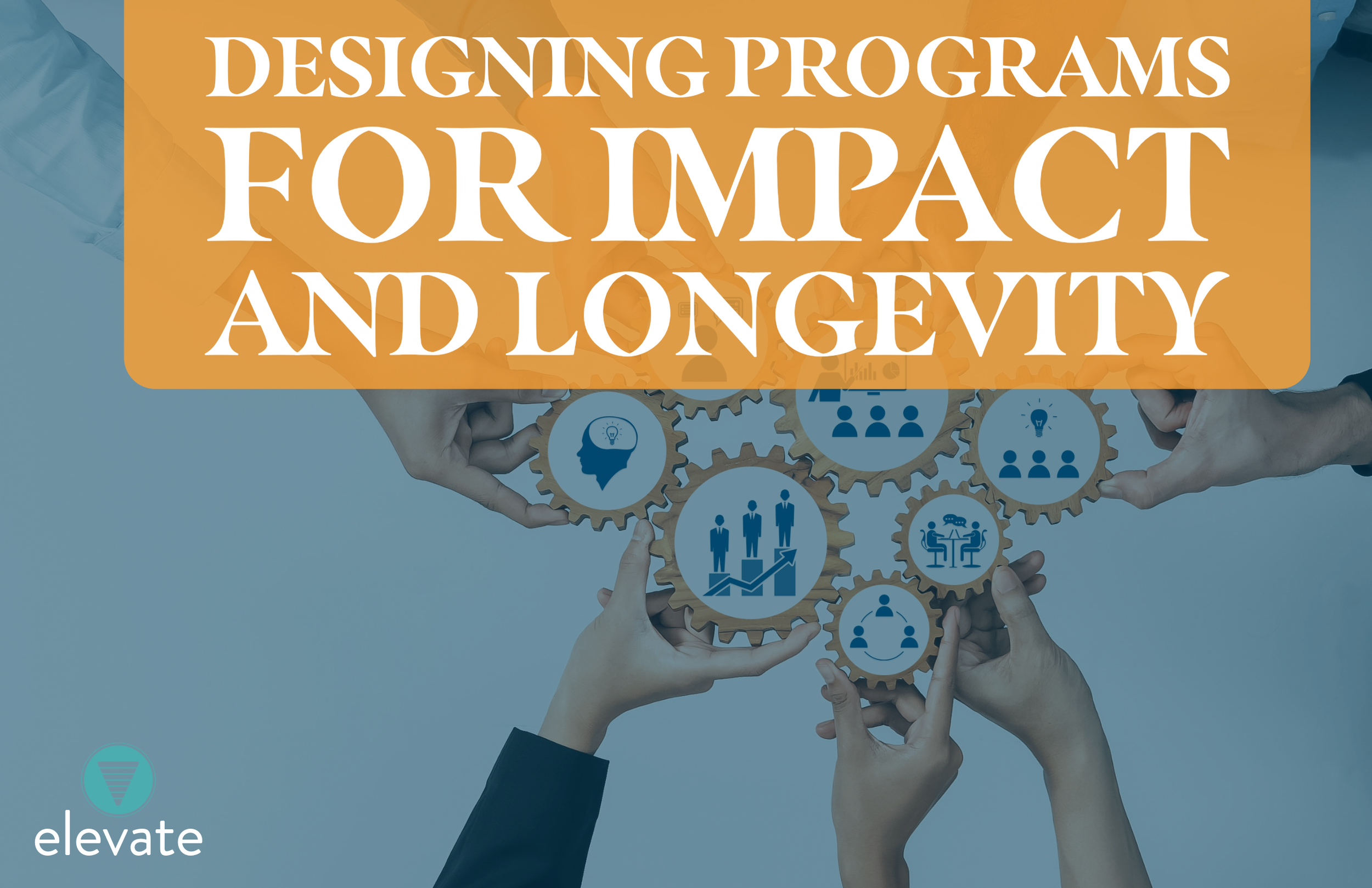
Designing Programs for Impact and Longevity
Nonprofits constantly balance urgency with intention. Communities have immediate needs, funders have expectations, and organizations must move quickly. In that rush, it’s easy to prioritize delivery over thoughtful design or long-term viability. This is where program design and sustainability intersect. Together, they ensure programs are both effective and durable. Without both, programs falter: a well-designed program that can’t be sustained will disappear, while a sustainable program without strong design may persist without meaningful impact.

Project Spotlight: New Equitable Hiring Initiative in Delaware
The Delaware Equitable Hiring Initiative is designed to connect local businesses with historically overlooked talent in Wilmington, Delaware, ultimately uplifting communities with quality job opportunities. Funded by JPMorganChase (JPMC) and Capital One and headed up by the Responsible Business Initiative for Justice (RBIJ), the project hones in on three Delaware zipcodes to train businesses in equitable hiring practices and recruit untapped talent.
Reporting with Intention: How to craft a meaningful narrative with your findings
Crafting an intentional report isn’t just about presenting findings; it’s about shaping understanding and fueling the actions that move your mission forward. When we pair clear insights with purposeful storytelling and a deep awareness of our own positionality, we create reporting that is both useful and respectful of lived experiences.

Approaching Data like an Analyst: From Data to Findings
In our last journal entry, we looked at the most versatile options for data collection. Now let’s take a look at how we think about and practice data analysis at Elevate.
From Focus to Findings: A Quick Guide to Data Collection Methods
Think of methods as the tools in your evaluation toolbox. They’re “the how” of gathering information, and include the specific ways you’ll answer the big questions about your program, organization, or collaborative. Most people know about the two broad categories: quantitative (numbers) and qualitative (stories). But the real magic happens when you think carefully about which method fits your purpose — and when you combine approaches for a more complete picture.

Sharpening Your Lens: Defining Your Evaluation Focus
At its core, defining your evaluation focus means pinpointing the specific questions your evaluation aims to answer. It's about narrowing down the vast landscape of your program's (or your organization’s) activities and outcomes to a manageable, meaningful scope. Instead of trying to evaluate everything, you're strategically identifying what aspects are most critical to examine given your resources, staff capacity, timeline, and the needs of your stakeholders.

2025: Our Year So Far
Despite swimming backwards, against the tide, in the toxic soup, we at Elevate are grateful for all the ways our partners, clients, and friends have shown up this year for themselves, others, and us. It’s a testament to the resiliency of nonprofit leaders that even though things have been extraordinarily challenging, you’ve still found ways to lead thoughtfully, strategically, and intentionally.

Strategy for Systems Change: How to Build Strategy for Collaboratives and Coalitions
This is the third post in our series on strategy for programs, organizations, and communities. If you've been following along, you’ve probably noticed a theme: designing a strong strategy looks pretty similar regardless of the size or complexity of the effort. Whether you're working on a single program or leading a cross-sector coalition, it comes down to the same core elements—gathering good information, setting clear goals and actions, and making space to learn and adapt as you go.

Strategy for Organizations: Relevant, Actionable, and Flexible Planning
This post is the second in our series on strategy for programs, organizations, and communities. In our first post, we explored what it looks like to apply strategic thinking at the program level—clarifying goals, aligning activities, and measuring what matters. Now, we’re zooming out to the organizational level: What is strategy, really? And how do you build a plan that helps your whole organization stay focused, aligned, and adaptive?

Strategy for Programs
At Elevate, we know that strong strategies drive meaningful results. But strategy isn’t one-size-fits-all—it looks different depending on whether you’re shaping a program, guiding an entire organization, or driving impact across a collaborative or community.
In this first installment, we’re focusing on program-level strategy—how to design services and interventions that are responsive, effective, and built to create lasting change.

The Elevate Playbook: Smarter Data + Better Strategy = Meaningful Change
Over the past eight years, we’ve built and refined tools, frameworks, and approaches to support both, working with programs, organizations, and collaboratives to put them into action. We want to share what we’ve learned with you.

Elevate’s Reflections from Recent Conferences
October has been a busy month for Elevate! Many members of our team attended both the TN Nonprofit Conference in Memphis, TN, and the AEA Evaluation Conference in Portland, OR. They made lots of connections, learned and unlearned things, and they’re excited to share their takeaways!