
Youth-Led Research in Action

Written by Amy Merritt Campbell
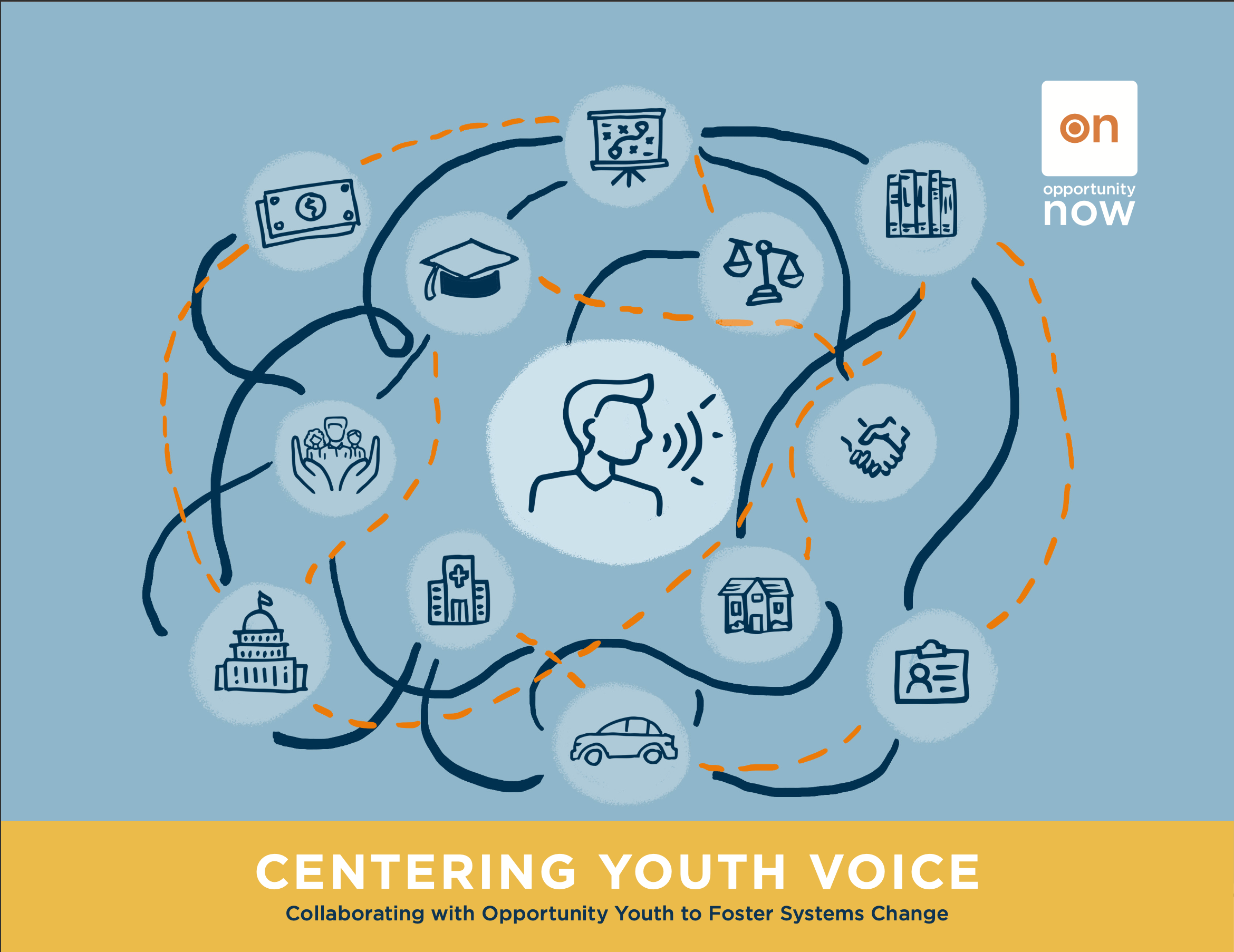
In the summer of 2018, the Nashville Opportunity Youth Collaborative (OYC) partnered with Elevate to engage young people directly in the research process. Using a youth participatory action research (YPAR) approach, members of the OYC’s Youth Leadership Team helped design and carry out the project from start to finish. The findings from this process informed the overall strategic direction of the OYC’s work.
Youth researchers co-developed the research questions, selected methods, and gathered data from their peers through interviews, surveys, and group discussions. They then worked alongside our team to analyze findings and identify key themes. Throughout the process, we focused on building research skills while creating space for reflection, discussion, and interpretation. The findings from this research contributed to the development of a report released by the OYC this summer, “Centering Youth Voice: Collaborating with Opportunity Youth to Foster Systems Change.”
This approach ensured that insights were grounded in lived experience and shaped by those closest to the issues. It also created a more dynamic process, where data collection and meaning-making happened in partnership rather than in sequence.
What we learned
1. Proximity leads to clarity.
Young people surfaced insights that traditional methods often miss, cutting through assumptions and pointing directly to what matters most. For example, adult partners often focused on systemic barriers facing Opportunity Youth, while youth researchers elevated the role of internal factors like self-confidence, motivation, and hope as critical drivers of success.
2. Ownership deepens both engagement and insight.
Because youth were involved in shaping the questions, collecting data, and making meaning of the findings, their investment in the work was higher. That ownership showed up in the quality of the data and in the nuance of the analysis, especially in how they interpreted peer experiences.
3. Structured support makes participation meaningful.
YPAR is not just about inviting youth to the table. It requires intentional scaffolding, skill-building, and space for reflection. With the right support, youth can engage as true research partners and produce insights that are both rigorous and actionable.
Resources
To learn more about YPAR, check out these resources: YPAR Hub
Just Research in Contentious Times: Widening the Methodological Imagination; Michelle Fine